


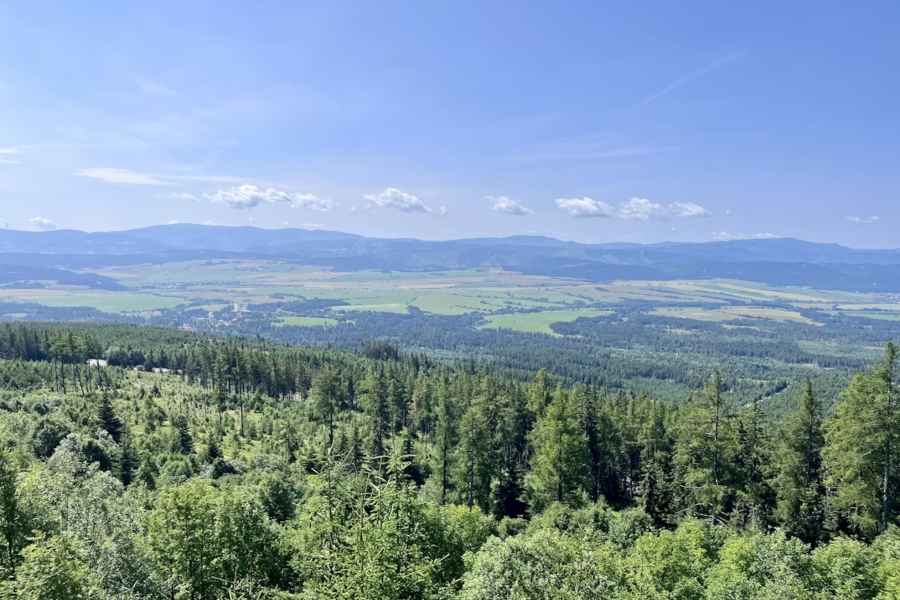
The panorama of world alaikas offers a comprehensive and intricate view of our planet’s diversity, encompassing its landscapes, cultures, history, and more. Whether you’re a traveler, history enthusiast, or someone interested in the evolution of societies, this exploration into the world through the panorama of world alaikas opens up a new way of seeing the world. From towering mountains to sprawling cities, and from ancient civilizations to modern innovations, this “panorama” uncovers the complex layers that make each part of the world unique. In this article, we delve into the significance of the panorama of world alaikas, exploring its multifaceted elements and how they interconnect to paint a vivid picture of our world’s story.
Introduction to the Panorama of World Alaikas
This section serves as the introduction to the concept of the panorama of world alaikas, explaining what it encompasses and its relevance in understanding the global landscape.
The panorama of the world isn’t merely a visual display of continents and countries; it’s a synthesis of geographical, cultural, and historical elements that together form a comprehensive understanding of our planet. This global perspective includes the exploration of diverse natural wonders and cities, and the intertwining of human societies over time. It emphasizes the connection between the earth’s physical features and the people who inhabit it. Through this lens, one can observe how the world’s landscapes are both shaped by and shape human life, affecting everything from economic activities to social structures and cultural identities.
By examining the panorama of world alaikas, we understand not only the diversity in natural surroundings but also the human narratives that have unfolded across regions. It connects the history of trade routes, migration, conflicts, and the development of nations, offering insight into how the world’s major civilizations have influenced one another. This concept also emphasizes the importance of preserving these varied landscapes and cultures, given their role in forming the world’s current global dynamics.
How Geography Shapes the Panorama of World Alaikas
In this section, we focus on how geography plays a crucial role in the panorama of world alaikas. Using H3 subheadings, we break down key geographical elements:
- Natural Landmarks and Their Influence: The first significant influence on the panorama of world landmarks is the natural landscape, such as mountains, rivers, and oceans. These geographical features have long served as borders, trade routes, and barriers, shaping the development of civilizations. For example, the Himalayas created natural isolation for early civilizations, while the Nile River enabled the rise of Ancient Egypt.
- Climatic Regions and Cultural Diversity: From the frigid poles to the scorching deserts, the climate directly impacts the daily lives and cultures of people around the world. In this section, we discuss how different climates fostered specific agricultural practices, lifestyles, and even architectural styles that define various cultural regions.
- Urbanization and Its Effect on Global Perspectives: The evolution of cities and urbanization is a critical part of the panorama of world alaikas. Cities like New York, Paris, and Tokyo represent the intersection of modern life and historical significance, shaping the global economy, politics, and culture.
Cultural Elements in the Panorama of World Alaikas
Here, we focus on the cultural aspects of the panorama of world alaikas, which are influenced by diverse languages, traditions, religions, and arts.
- Language and Communication: Understanding how language spreads and evolves through migration and cultural exchange.
- Art and Architecture: How art and architectural designs reflect the values and histories of different cultures.
- Religious Influence: The role of religion in shaping societies and how it affects culture, politics, and community life.
The Role of History in the Panorama of World Alaikas
Historical events such as trade, war, and diplomacy have all played significant roles in shaping the panorama of world alliances. Here, we break it down into key points:
Trade Routes and Exchange of Ideas
The Silk Road and other trade routes were essential in shaping the connections between Eastern and Western civilizations. This exchange not only facilitated the movement of goods but also ideas, religions, and technologies.
Colonization and Its Long-Lasting Effects
Colonial powers reshaped the world’s political boundaries, economies, and societies. The ramifications of these historical events continue to impact modern global relations, and understanding this history is key to understanding the panorama of world alliances.
Revolutions and Independence Movements
Movements for independence and revolution, such as the American Revolution and the decolonization movements of the 20th century, also play a central role in the world’s evolving panorama.
The Modern Panorama of World Alaikas
This section looks at the modern interpretation of the panorama of world alaikas and how technology, globalization, and digital media are influencing our understanding of the world today.
- Globalization and Connectivity: The rise of global interconnectivity and its effects on trade, culture, and communication.
- Technology’s Role: How technology allows us to virtually explore different parts of the world, from satellite imagery to virtual tours of historical sites.
- Environmental Concerns: The modern world faces new challenges, such as climate change, which is altering the very landscapes we once relied on.
Conclusion
The panorama of world alaikas provides a holistic view of the Earth, incorporating its geography, culture, history, and modern issues. This interconnected perspective not only helps us appreciate the beauty and complexity of our planet but also underscores the importance of global cooperation to preserve our world’s diverse landscapes and cultures for future generations. As we move forward, the panorama of world alaikas will continue to evolve, shaped by both human actions and the natural environment.
FAQ’s
What does the term “panorama of world alaikas” refer to?
The term refers to a comprehensive, wide-reaching view of the world, including its geography, cultures, and history.
How does geography influence the panorama of world alaikas?
Geography influences where civilizations settle, how they interact with one another, and how landscapes shape culture, the economy, and society.
What role does history play in the panorama of world alaikas?
History, from trade routes to revolutions, has shaped borders, economies, and cultures, contributing to the overall worldview we see today.
How does globalization affect the panorama of world alaikas?
Globalization has made the world more interconnected, influencing trade, culture, and communication, which enhances the panorama of world alliances.
How can technology contribute to the panorama of world alaikas?
Technology, through satellite imagery and virtual tours, allows us to explore parts of the world that were once out of reach, enhancing our global perspective.


