


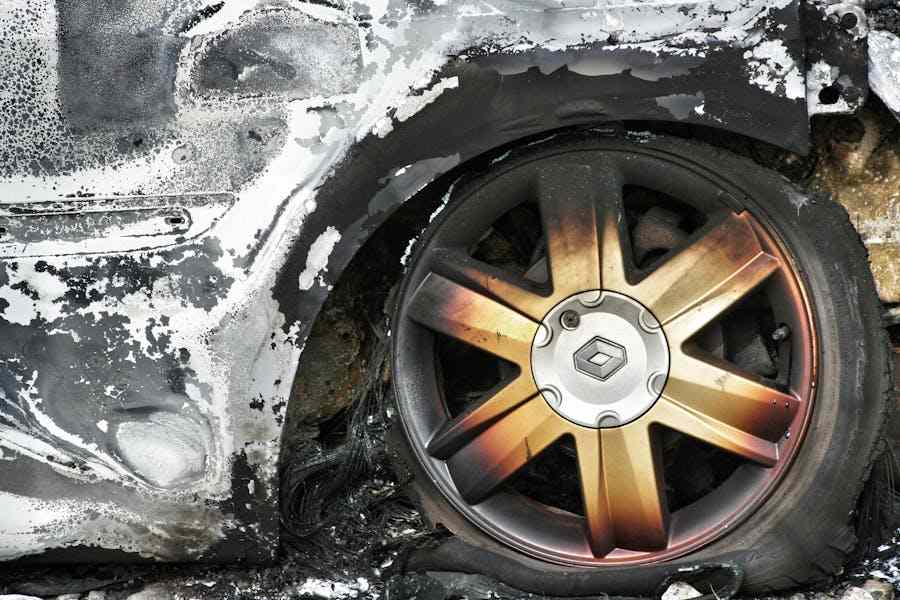
Dallas moves with intensity, busy highways, constant motion, and a pace that rarely slows down. But when a serious car accident occurs, that momentum comes to an abrupt halt, leaving behind confusion, fear, and a deep sense of uncertainty about what to do next. In those moments, the aftermath can feel just as overwhelming as the accident itself, with physical recovery, emotional strain, and financial concerns all colliding at once.
Understanding how to navigate this period becomes essential, not just for healing, but for regaining control over your life. Each step taken after the incident can shape the path forward, influencing both recovery and long-term stability. For those facing this difficult journey, seeking guidance from an Omega Law car accident lawyer can provide clarity and direction, helping to turn chaos into a more structured, manageable process.
Immediate Steps After the Accident
Safety takes precedence just after a significant collision. Being farther away from more risk and confirmation of no injuries is most important. Call emergency services immediately and ensure that medical help arrives as quickly as possible. Information generated by those involved and bystanders is invaluable further on.
Prioritizing Medical Assessment
Even a slight injury should be enough to require a medical examination. The apparent disappearance of certain symptoms immediately post-event may explain why certain observers perceive no such symptoms. Quick treatment can uncover any internal injuries and also provide some comfort. It also helps with future insurance or legal issues to keep a written record of all treatments and recommendations.
How to Document The Scene and Gather Evidence
Photographs taken at the scene provide valuable details for future reference. Capturing vehicle positions, visible damages, and road conditions preserves important information. Gathering statements from others who witnessed the event could further support any claims or disputes that arise.
Notifying Insurance Providers
Notifying insurance companies promptly after the incident to initiate the claims procedure. Reporting the facts straightforwardly and truthfully makes for an easier experience. Having copies of all communications, documents, and proof makes interrogating even simpler and reduces misunderstanding.
Addressing Emotional and Psychological Effects
Just as important as the physical healing is the emotional recovery. It is natural to feel shocked, anxious, and stressed after a traumatic event. To process these feelings in a safe space, seeking support from counselors or support groups can help. Discussing emotions can build resilience and healing in challenging times.
Medical Bills and Finances
Costs from hospital visits, therapies, and follow-up consultations may start to pile up. Go through your insurance policies to get an idea of what you are covered for. Having everything in detail, including costs, receipts, and bills, will provide a clear picture of all its financial obligations. Professional advisors will help you get answers to questions about payouts and payment plans.
Repairing or Replacing the Vehicle
To begin with, vehicle damage may take an expert some time to assess and repair. A few estimates can help the person know where to get their car repaired and when it should be serviced. Occasionally, the supplier referred by the insurance policy adjuster will offer a reliable solution. Being involved at every step ensures that repairs meet the requirements.
Legal Considerations and Guidance
Sometimes, long after a major accident, legal matters will arise. Experienced legal professionals guide us through rights and responsibilities. If legal action must be taken, detailed accounts, photos, and medical reports can be accessed. Knowledge of timelines and requirements can help safeguard interests and ensure that any lost opportunity for compensation is not missed.
Adapting Daily Life and Routines
Another area where post-disaster life affects people is regular routines, such as transport, work, and home life. Having other options, such as renting cars or public transportation, lined up makes the transition smoother. Discussing time off or adjusted work duties with your employer can make the transition during your healing journey easier.
Building a Support Network
Family, friends, and community resources are necessary for recovery. It can help alleviate some stress and provide comfort to accept assistance with day-to-day activities and errands. Support groups provide encouragement and comfort through those who have been there.
Focusing on Physical Rehabilitation
These treatments and rehabilitation sessions help rebuild strength and movement in the affected area after injuries. A quick recovery results from following medical advice and attending all recommended sessions. Setting small, achievable goals helps motivation stay along the journey and provides opportunities to track progress over an extended time frame, rather than needing to see results immediately.
Planning for Long-Term Recovery
The path to full recovery may take weeks or months, depending on the severity of injuries. Regular follow-ups with healthcare providers keep progress on track. Adjustments to daily living, such as using assistive devices, may become necessary but can improve comfort and independence.
Conclusion
Living after a car accident with injuries takes planning and preparation. Progressing through the steps, whether by handling crisis mode, avoiding work or school, or rebuilding structures, brings the individual closer to healing. Through time and a solid device, healing and restored confidence are feasible for each person involved.


